Category: Impact Investing
-

Evolving Capital for an Evolving Field: Why CDFIs Are the Next Frontier for Impact Investing
The community development finance field is moving into a pivotal new chapter. Over the past decade, Community Development Financial Institutions (CDFIs) have grown dramatically in scale and sophistication. Once largely small, niche lenders operating on razor-thin margins, many CDFIs today manage nine-figure balance sheets, deploy capital with disciplined underwriting, and report impact outcomes with increasing…
-

From Idle Cash to Local Impact: Stories of Communities Strengthened Through Impact Driven Deposits
When treasury teams talk about cash, the focus is usually clear:safety, liquidity, yield. But there’s another, quieter story playing out in the background. Across the U.S., community banks and credit unions are using deposits to support financing affordable housing, small business growth, and neighborhood revitalization often in places traditional finance overlooks. Community-driven deposit administration platforms,…
-

Bridging the Gap: How CDFI Lending Supports Small Business Financial Well-Being
When an institutional investor recently asked us, “Can you share statistics that compare the financial well-being of small businesses that borrow from CDFI loan funds versus those who borrow from conventional banks?” we paused. It is a fair question, and an important one. But it is also deceptively complex. Comparing outcomes between CDFI and bank…
-

CDFIs Explained: What They Are, and Why the ‘Too Risky’ Label Doesn’t Hold Up
Rethinking What Finance Can Do Traditional finance has long focused on profit and scale, but not always on inclusion. Millions of Americans, especially in historically underserved communities, remain outside the reach of mainstream banking. That’s where Community Development Financial Institutions (CDFIs) come in. These mission-driven lenders are proving that finance can be both responsible and…
-

Why Community Banks Are the Safer, Smarter Choice and Why CNote Partners With Them
In today’s financial landscape, where headlines about regional bank instability keep surfacing, organizations are rethinking where they hold their cash. The question isn’t just about returns, but instead about safety and trust. At CNote, we believe that where your money rests matters. That’s why our Impact Cash® program partners with community banks over regional banks.…
-
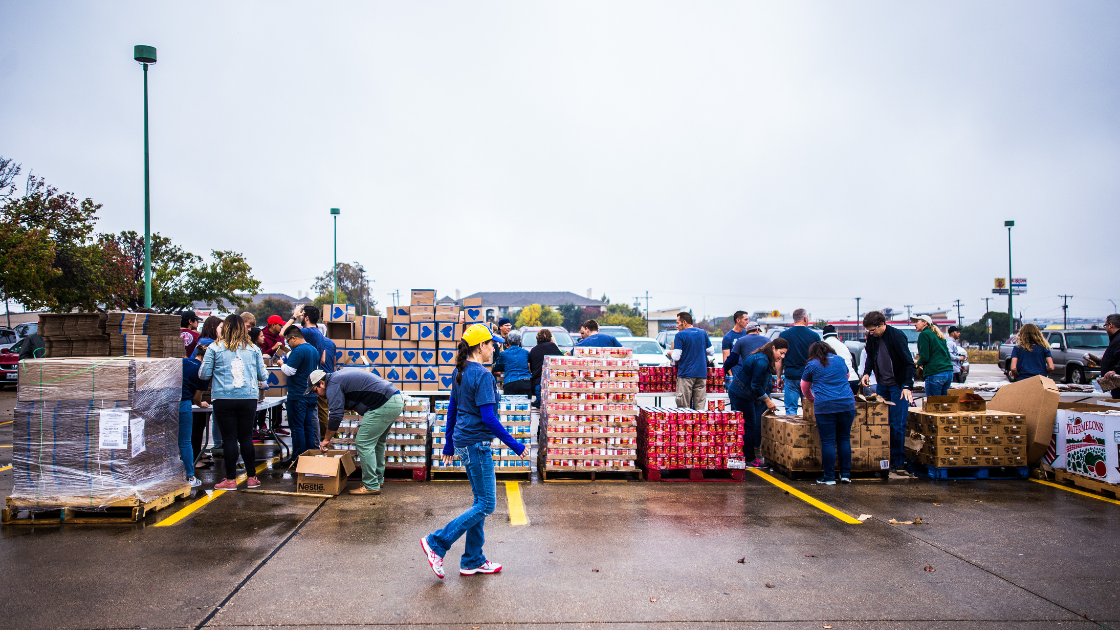
The Infrastructure of Opportunity: 5 Ways Community Financial Institutions Build Thriving Communities
A single mother in rural Mississippi can’t get to her new job because there’s no reliable transportation. A corner store owner in Detroit wants to accept credit cards and offer fresh produce but can’t afford the equipment upgrades and refrigeration systems. A community health center in Appalachia can’t serve patients effectively because their building needs…
-

Inside CNote’s Flagship Fund Fixed Income Opportunity.
At CNote, we believe your money should work toward more than just financial returns—it should help build stronger communities. That’s the idea behind our fixed income products, which allow clients to earn returns while supporting opportunities like small business growth, affordable housing, and disaster recovery. The Flagship Fund, with a history of no losses, is…
-

Impact Investing for High-Networth Portfolios: How to Align Fixed Income with Your Values
In today’s financial climate, high-net-worth (HNW) investors are looking for more than just returns. They want to make a difference. The question many are asking: Can fixed income, traditionally a conservative, performance-driven allocation, be a source of purpose? The answer is yes, through impact investing strategies that align fixed income with your values. HNW investors…
-

How CDFI Lending Keeps Capital Moving: Impact Investing Through Fixed-Income Funds
When you invest in fixed income, you’re often looking for predictable income and lower volatility. But what if your fixed income allocation could also help families buy homes, small businesses expand, or communities build new infrastructure, all while aiming to generate returns? That’s exactly what happens when fixed-income funds are connected to Community Development Financial…
-
From Community Investment to Disaster Resilience: David Parker’s Journey of Entrepreneurship and Impact
Growing Up in Summerville: The Roots of Innovation David Parker’s journey from small-town Summerville to running a thriving business is rooted in his hard work, ingenuity, and the unwavering support of his community. Growing up, he wasn’t just a curious child—he was a natural problem-solver. Raised on a family farm, David learned early that when…