Across the country, communities are confronting a shortage of rental housing alongside rising construction costs and growing pressure on household budgets. New research from the Federal Reserve Bank of New York found that nearly half of renter households spent at least 30% of their income on rent and utilities in 2024, while one in four spent more than half. The research also underscores the need for financing structures that combine private capital, public incentives, and local partnerships to make new multifamily development economically feasible.
That challenge is especially relevant in cities such as Trenton, New Jersey, where adding new housing can require developers and lenders to navigate high development costs, uncertain lease-up periods, and the complexities of neighborhood redevelopment. Vacant properties can compound these challenges by interrupting the streetscape, limiting the local tax base, and leaving potentially valuable land unused.
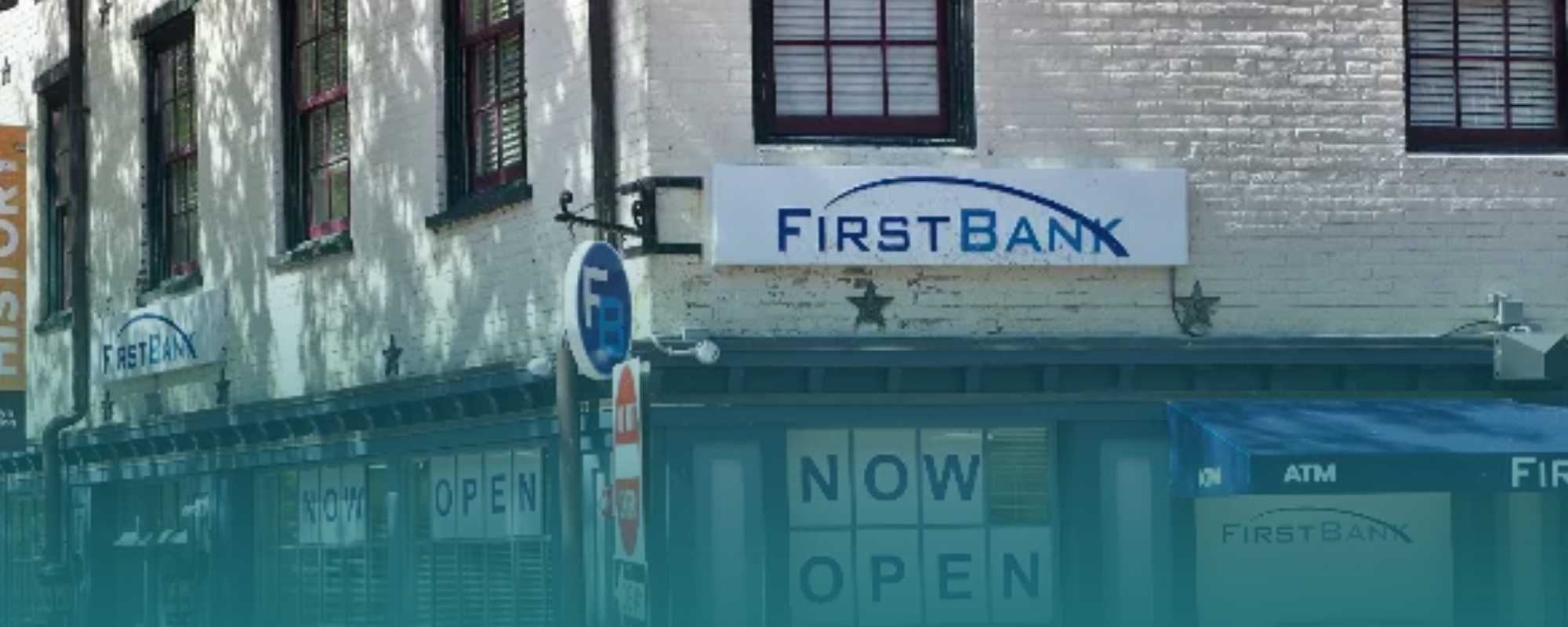
First Bank, a New Jersey-headquartered mission-driven bank and CNote Impact Cash® partner, provided $5.6 million in construction financing to DRM Trenton in December 2025 for Clinton Lofts, a new three-story apartment community in Trenton’s Greenwood Hamilton Historic District. The project redeveloped a formerly vacant site located in a low-income census tract.
Led by developer Roland Pott, DRM Trenton envisioned Clinton Lofts as part of a broader effort to rebuild a walkable residential community near public transportation. The development includes 30 apartments ranging from approximately 620 to 1,050 square feet. Its mix of one- and two-bedroom units provides options for individuals, couples, and families seeking newly constructed rental housing in the city.
The project also includes approximately 1,600 square feet of commercial space intended for a coffee shop or similar neighborhood-serving business. By combining housing with a small commercial component, Clinton Lofts can contribute to a more active streetscape and provide residents with additional amenities within walking distance.
A 30-year payment-in-lieu-of-taxes agreement with the City of Trenton helped support the development’s financial feasibility. Under the agreement, the property receives an initial abatement on taxes associated with the improvements, followed by gradually increasing payments over time. The structure illustrates one of the approaches highlighted by the New York Fed: local tax incentives can work alongside private financing to reduce early operating costs and help multifamily projects move forward.
First Bank’s construction loan supplied the capital needed to translate those approvals and incentives into completed housing. By financing the project through construction and lease-up, the bank helped DRM Trenton replace a vacant site with new homes and space for a neighborhood business.
Clinton Lofts is now complete, fully stabilized, and 100% occupied. That strong lease-up reflects demand for newly constructed apartments in the neighborhood.
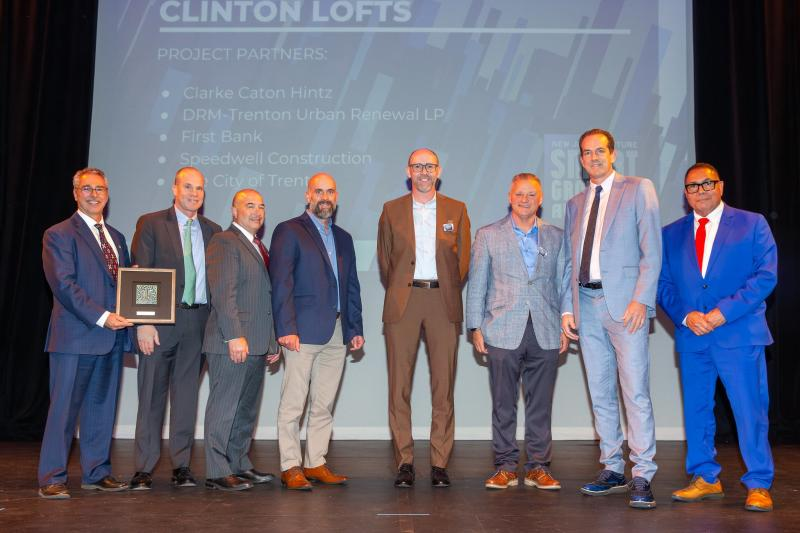
The project’s impact is rooted in both adding housing supply and reducing vacancy in an underserved area. Redeveloping an unused site can strengthen the physical fabric of a neighborhood, support greater activity along the surrounding streets, and make productive use of land that was not contributing to the community. Through its financing of DRM Trenton, First Bank helped bring 30 new homes and space for a future local business to the heart of Trenton.