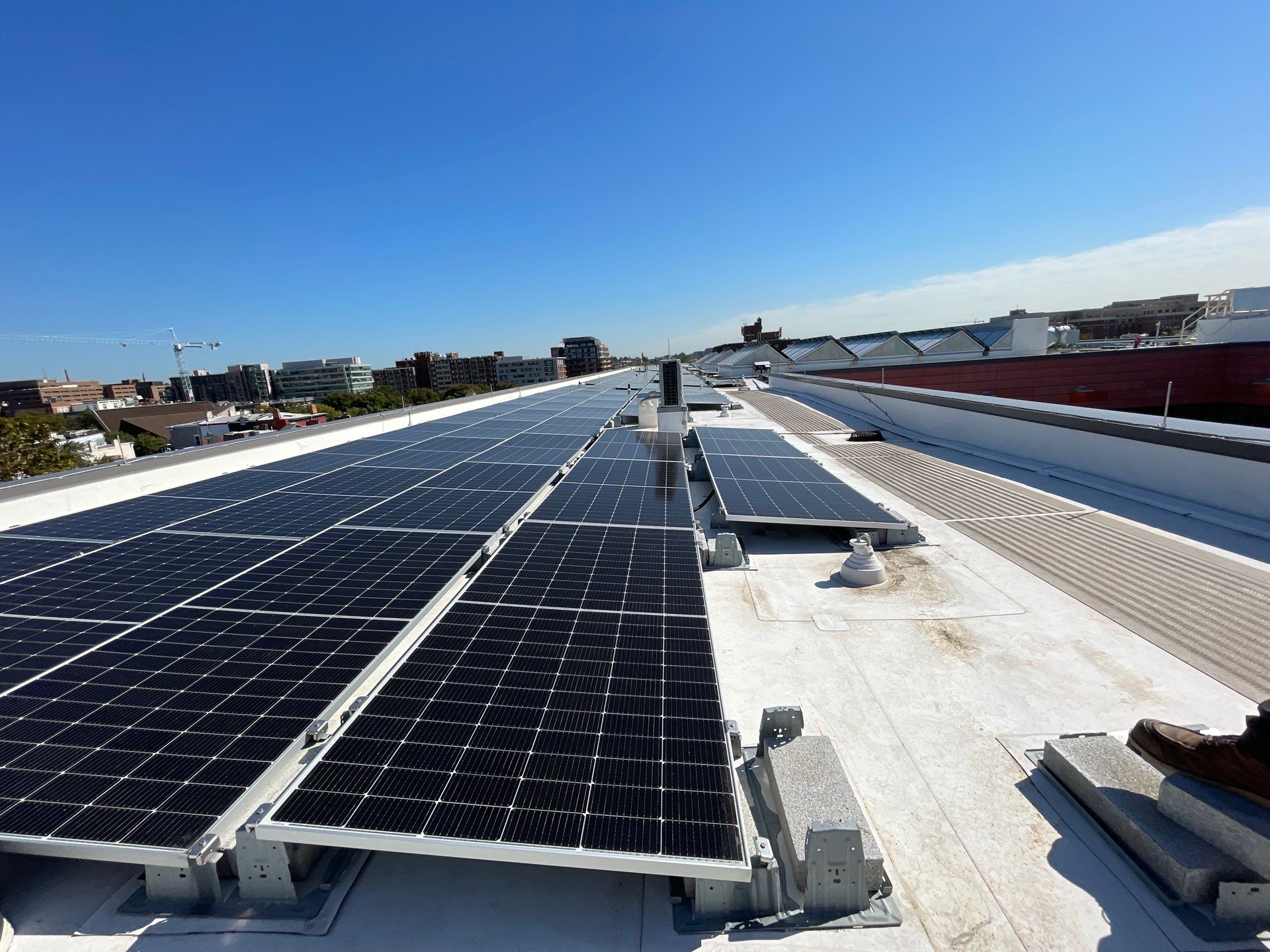
Locus Bank’s partnership with Redball Energy illustrates how well-structured credit can unlock scalable clean energy deployment while expanding access to underserved markets. Redball Energy, headquartered in Washington, DC and founded in 2021, provides financing solutions for residential and commercial solar projects that often fall outside traditional underwriting models. By partnering with developers and installers, the company has built a model capable of deploying solar systems efficiently across multiple markets, with a focus on Washington, D.C. and Maryland.
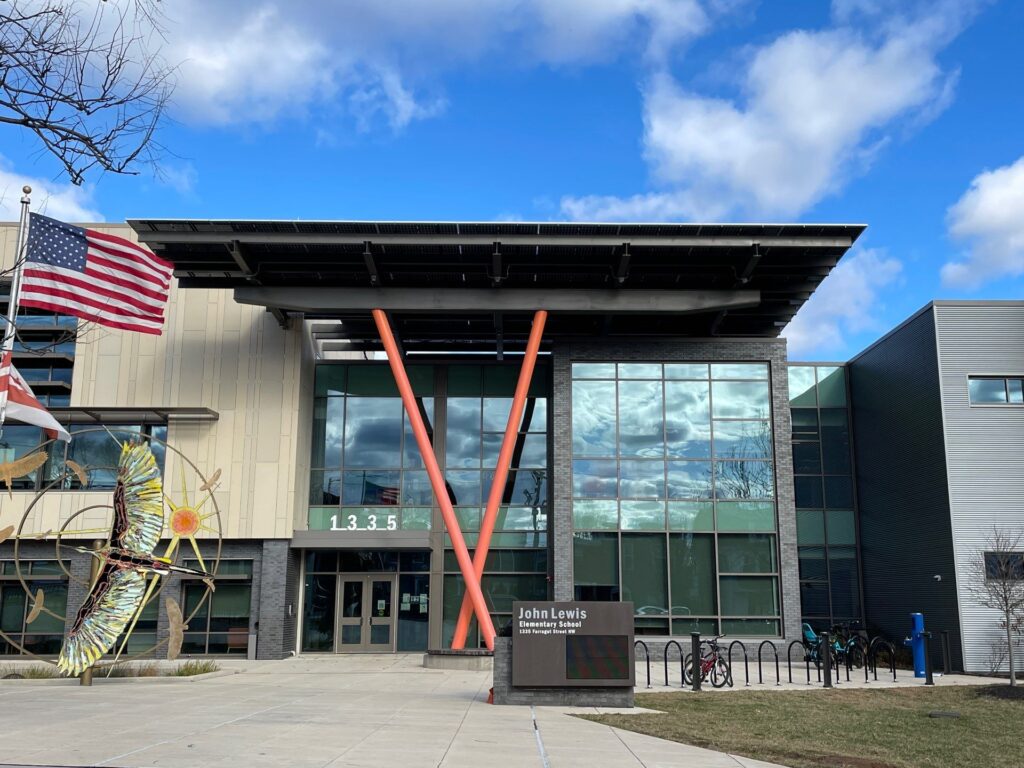
A key constraint to scaling this model was access to flexible construction capital. Residential solar deployment requires upfront financing to install systems before long-term revenue is realized, creating a working capital gap that limits growth even for capable operators. In late 2023, Locus addressed this constraint by providing Redball with a revolving construction line of credit. This structure enabled Redball to continuously fund installations, recycle capital as projects were completed, and accelerate deployment without interruption.
The results demonstrate both execution strength and the catalytic role of the financing. With Locus’ initial support, Redball completed 855 residential solar systems totaling 7 megawatts of capacity, with 80% of installations serving low and moderate income communities. Over their lifetimes, these projects are expected to offset approximately 2.5 million pounds of CO2 emissions. Building on this performance, Locus renewed and increased the credit facility in December 2025, enabling further expansion. To date, Redball has completed more than 1,400 installations totaling approximately 13 megawatts, with 82% located in low and moderate income areas.
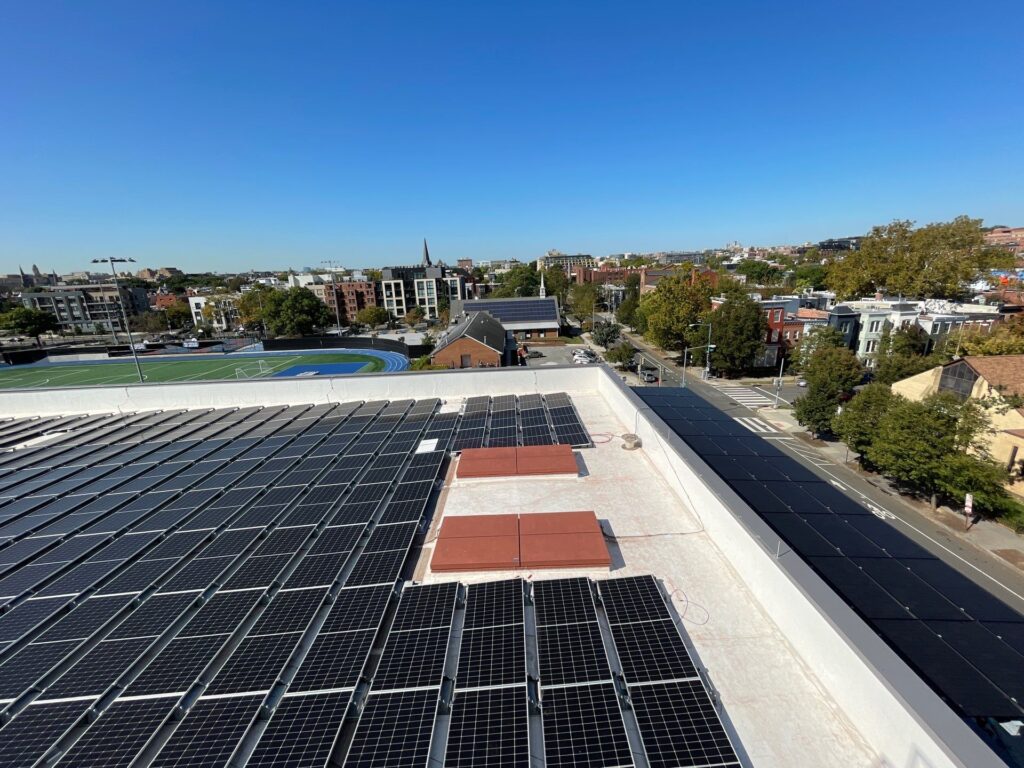
This growth reflects more than increased volume. The expanded facility allowed Redball to move from steady deployment to accelerated scaling, demonstrating the ability to translate additional capital directly into increased project throughput. The revolving nature of the line further enhances this effect, as repaid capital is redeployed into new installations, amplifying impact over time without requiring proportional increases in funding.
Locus’ role in this partnership underscores the importance of disciplined, context-specific underwriting. Rather than applying rigid criteria, Locus structured a facility aligned with the cash flow dynamics of solar construction, allowing a high-capability operator to execute on an already identified market opportunity. The subsequent expansion of the line reflects performance-based confidence, reinforcing that this is a repeatable and scalable model rather than a one-time intervention.
At the household level, the model expands access to solar energy by eliminating upfront costs and delivering long-term reductions in electricity expenses. For many customers, particularly in low and moderate income communities, this structure converts solar from an inaccessible asset into an immediate economic benefit. At the same time, the aggregation of these projects contributes to meaningful emissions reductions across the region.
For institutional impact investors, this partnership demonstrates how targeted credit can unlock growth in capital-constrained sectors while delivering measurable environmental and economic outcomes. Redball’s ability to scale deployment, combined with Locus’ structured and performance-driven financing approach, suggests that additional capital could further accelerate adoption and expand reach into underserved markets