As 2025 comes to a close, it is worth pausing to look beyond allocations, percentages, and dashboards. Impact investing often gets discussed through the language of markets, but the clearest expression of impact is found in the real people and places that benefit from investor capital.
Throughout the year, CNote investors of every type, individuals, wealth advisors, corporations, and foundations, directed their cash and fixed income investments into community lenders that serve neighborhoods long overlooked by traditional finance. These lenders include regulated community banks and credit unions as well as nonprofit CDFI loan funds. Together, they provide the kind of flexible, mission-driven financing that allows local businesses, nonprofits, and households to thrive.
The stories below were among the most viewed this year. Each one shows the wide spectrum of impact made possible when investors choose to place their money with community focused lenders.
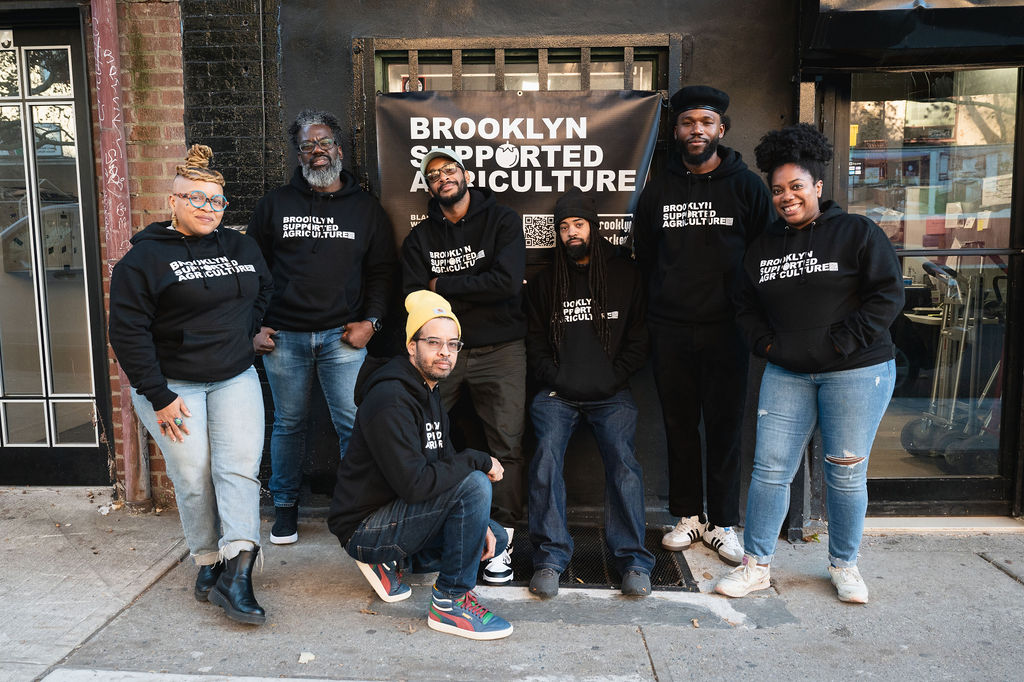
Brooklyn Packers, a worker-owned cooperative in New York, builds a bridge between small sustainable farms and the urban communities that need access to fresh, local food. Their work strengthens food sovereignty and increases economic opportunity for farmers who often face barriers to large distribution networks.
Brooklyn Packers banks with Brooklyn Cooperative Federal Credit Union, a CDFI credit union that receives deposits through CNote’s Impact Cash insured cash program. When investors choose to place their cash in mission-driven depositories like this one, they expand the lending capacity that supports businesses like Brooklyn Packers.
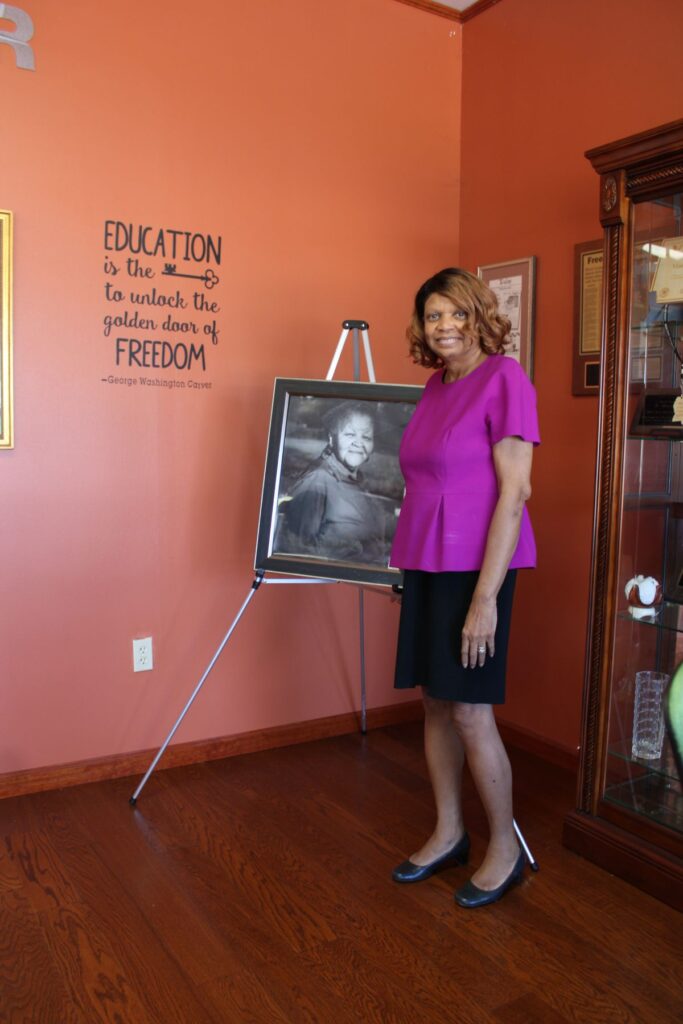
In the Mississippi Delta, Gloria Dickerson returned to her hometown after a corporate career to launch We2Gether Creating Change. Her nonprofit focuses on personal leadership development, academic support, community revitalization, and the belief that every resident can direct the future of their community.
CNote channels capital to institutions such as HOPE Credit Union, a mission-driven lender that has financed billions of dollars in communities across the South. By strengthening lenders like HOPE, investors help power nonprofits that create real educational and economic pathways for families. In places where philanthropic dollars alone cannot meet the depth of need, investor capital increases the scale and consistency of community progress.
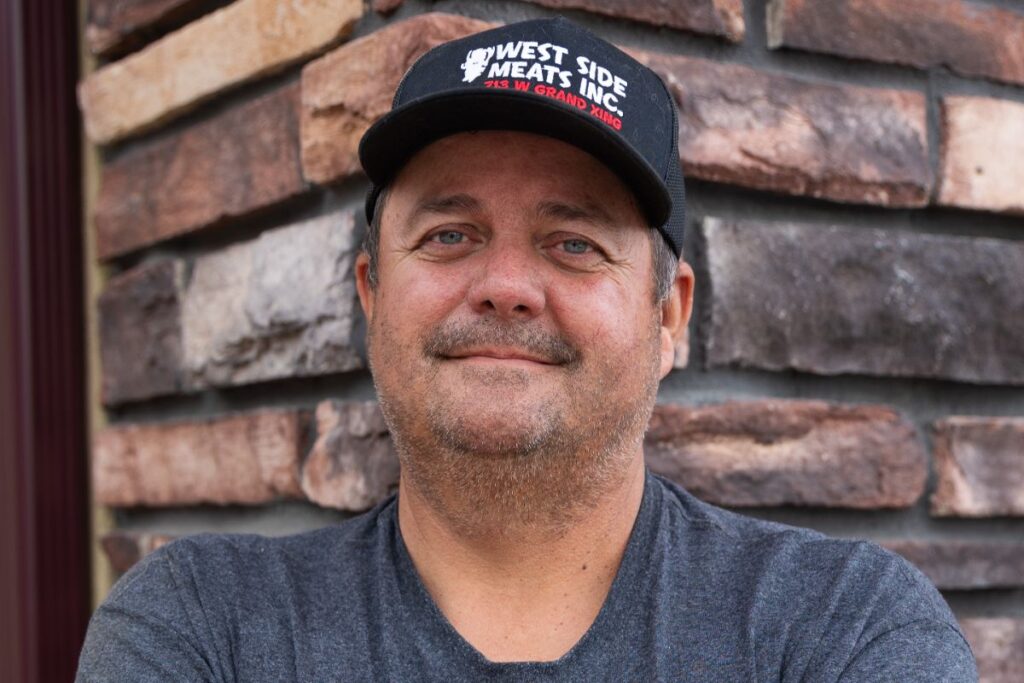
On the Cheyenne River Sioux Reservation in South Dakota, the Cheyenne River Buffalo Company is rebuilding a traditional and sustainable agricultural economy. Buffalo ranching is deeply tied to cultural identity, health, and land stewardship. Yet Indigenous entrepreneurs often face limited access to conventional financing.
Through CNote’s network of CDFI loan funds, investors help increase the availability of patient, culturally informed capital for Native-led enterprises. Funding that supports this kind of regenerative business model has impacts that extend far beyond the bottom line. It strengthens economic sovereignty, supports intergenerational knowledge, and promotes environmental renewal.

In many regions, especially rural and low-income ones, behavioral health providers struggle to access the credit they need to expand facilities, hire staff, or upgrade infrastructure. Piedmont Community Services is one of the organizations that benefitted from financing provided by Carter Bank, a participating bank in the Impact Cash program.
Their services address mental health needs, addiction treatment, and community stabilization. These are foundational supports that improve quality of life and reduce long-term social costs. Investor-backed community finance allows healthcare organizations like Piedmont to grow in step with the rising demand for behavioral health care.
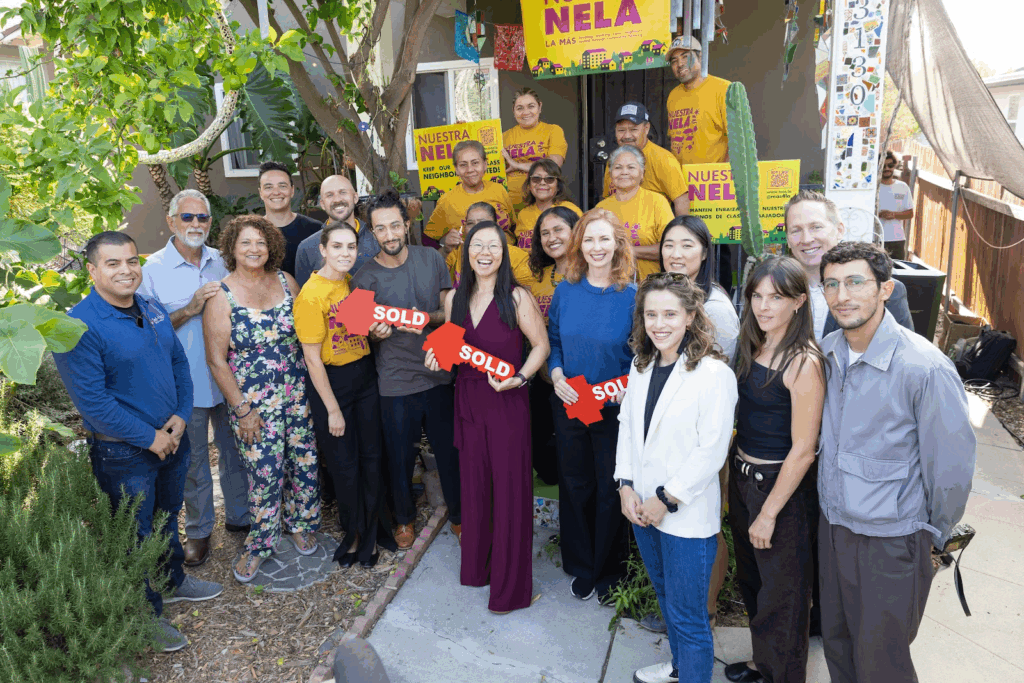
Housing stability shapes nearly every aspect of opportunity. LA Más, working in partnership with Self-Help Credit Union, provided assistance to families who were at risk of losing their homes. The organization helped residents navigate complex processes, access refinancing options, complete essential repairs, and stay rooted in their communities.
Investors who choose CNote strengthen lenders that provide affordable mortgage products and community-focused housing programs. This support keeps families housed, preserves neighborhood character, and promotes long-term upward mobility.
What These Stories Reveal
Community finance supports a wide variety of needs. From food distribution to affordable housing, from youth leadership to Indigenous agriculture, community lenders are meeting people where they are and responding to conditions that large financial institutions often overlook.
Anyone can participate. CNote’s model welcomes individuals with modest amounts of cash to place, as well as corporations and foundations making multi-million dollar allocations.
Impact is created through partnership. Investors provide the capital, community institutions provide the local expertise, and borrowers apply that support to build stronger and more resilient futures.
Looking Ahead
As you plan for 2026, these stories serve as a reminder that impact investing is not theoretical. It is practical and measurable and it changes lives. CNote investors help expand access to financial tools that communities need in order to grow and flourish.