-

Stitching Together Opportunity in Rural Colorado
For Naillali Rodriguez, embroidery is a way to help people make an idea visible. Through Bordame Esto LLC, her custom embroidery and design business in Colorado’s San Luis Valley, Rodriguez creates personalized shirts, sweaters, hats, jerseys, and other products for customers across the region. Her work ranges from “Mama” T-shirts and holiday apparel to custom…
-
![[Case Study] How One Investor Turned Her Priorities Into an $8 Million Community Finance Strategy](https://www.mycnote.com/wp-content/uploads/2026/10/blog-banner-2000x800-top-center.png)
[Case Study] How One Investor Turned Her Priorities Into an $8 Million Community Finance Strategy
Many investors know what they want their wealth to support. The harder part is translating those priorities into an investment strategy that also reflects their requirements for risk, returns, liquidity, and privacy. One investor came to Bespoke Group with a clear objective. She wanted her capital to expand opportunity for women and underestimated entrepreneurs and…
-

Building New Housing on a Formerly Vacant Site in Trenton
Across the country, communities are confronting a shortage of rental housing alongside rising construction costs and growing pressure on household budgets. New research from the Federal Reserve Bank of New York found that nearly half of renter households spent at least 30% of their income on rent and utilities in 2024, while one in four…
-

The Geography of Corporate Cash
Pull up almost any large company’s impact report and you’ll find a map: cities where employees live, communities where the foundation gives, regions with long-term supplier or facility commitments. Pull up the same company’s cash portfolio and that map disappears entirely, even though every dollar in it sits at a specific bank, in a specific…
-

Translating Academic Research Into an Actionable Measurement Approach
By Tamra Thetford, VP of Impact Evaluation, CNote For most of its history, community finance operated without much academic research behind it. That is beginning to change. In 2024, Julie Birkenmaier and Jin Huang of Saint Louis University published a systematic review of 171 studies on financial access, arguing that holding an account and having…
-

Corporate Cash Does Not Need a New Impact Budget. It Needs a Philosophy.
A cash policy protects the company. It defines where cash may be held, how much liquidity must remain available and which risks treasury can accept. A cash philosophy asks a different question: within those boundaries, what should eligible cash accomplish? I have heard a version of this question at nearly every treasury event I have…
-
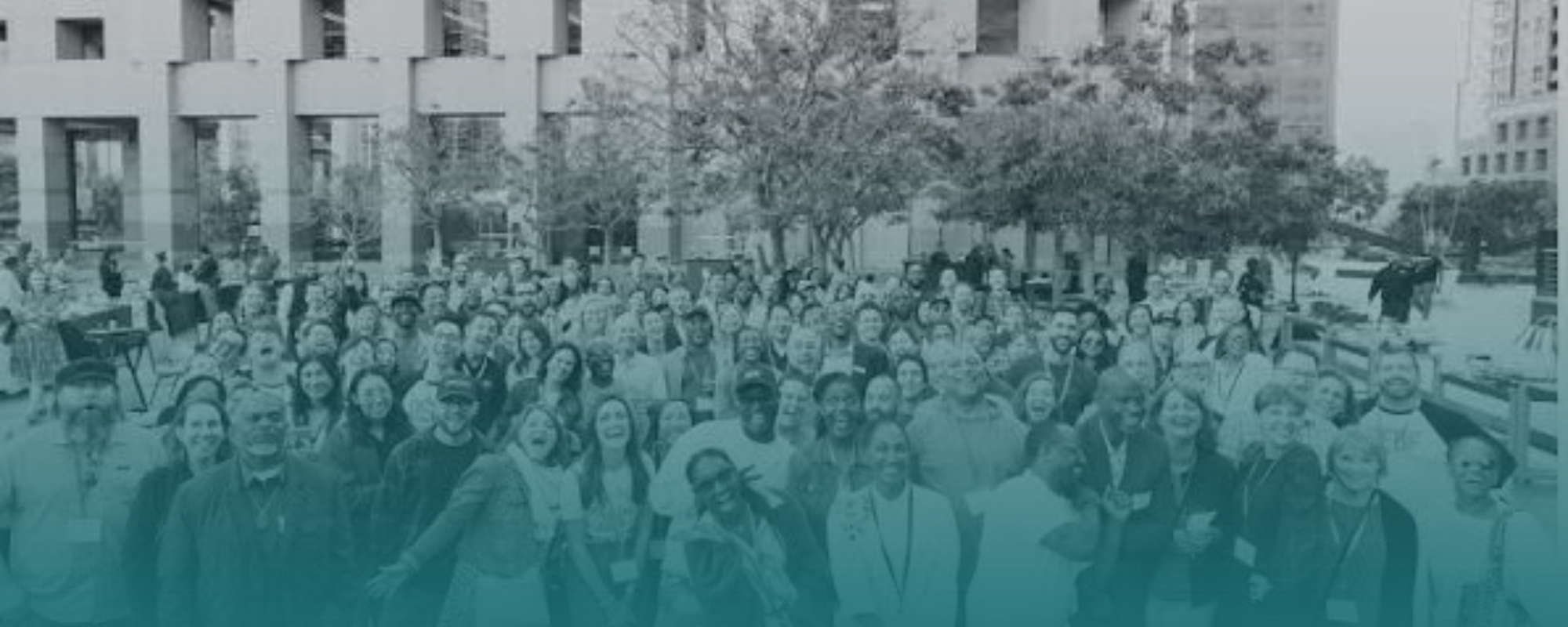
Kitchens for Good Expand Opportunity in San Diego
For people rebuilding their lives after incarceration, homelessness, substance use, or other major disruptions, finding a job is often only the first hurdle. The quality of that job matters too. Stable hours, supportive supervision, opportunities to advance, and wages that support basic needs can determine whether employment becomes a lasting pathway forward. Kitchens for Good…
-

Meeting Entrepreneurs Where They Are
As the child of entrepreneurs, Imanol Moreno grew up seeing business ownership up close. He spent time around construction sites, watched his father build a reputation through steady work, and absorbed lessons that came long before he had a business of his own. A study published in the Journal of Political Economy found that children…
-

How Flexible CDFI Financing Turned a Formerly Vacant Factory into Senior Housing
For more than 50 years, the old Carnation Milk factory stood silent on the edge of downtown Tupelo, Mississippi. The massive brick building, once a source of local jobs and economic activity, had become a reminder of decline. Since the plant closed in 1972, the property had cycled through temporary uses as city offices, a…
-
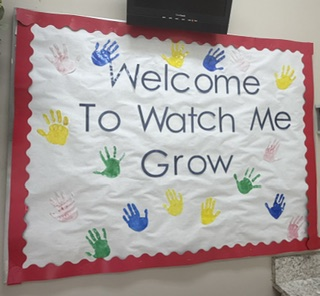
Watch Me Grow Daycare: Expanding Opportunity for Children, Families, and Community Through Access to Capital
For more than a decade, Hazel Gardner has dedicated her life to helping children learn, grow, and thrive. A longtime educator with the Mobile County Public School System, Hazel understood firsthand the critical role that early childhood education plays in shaping a child’s future. She also recognized the challenges working families face in finding safe,…

Blog
Where finance meets impact.